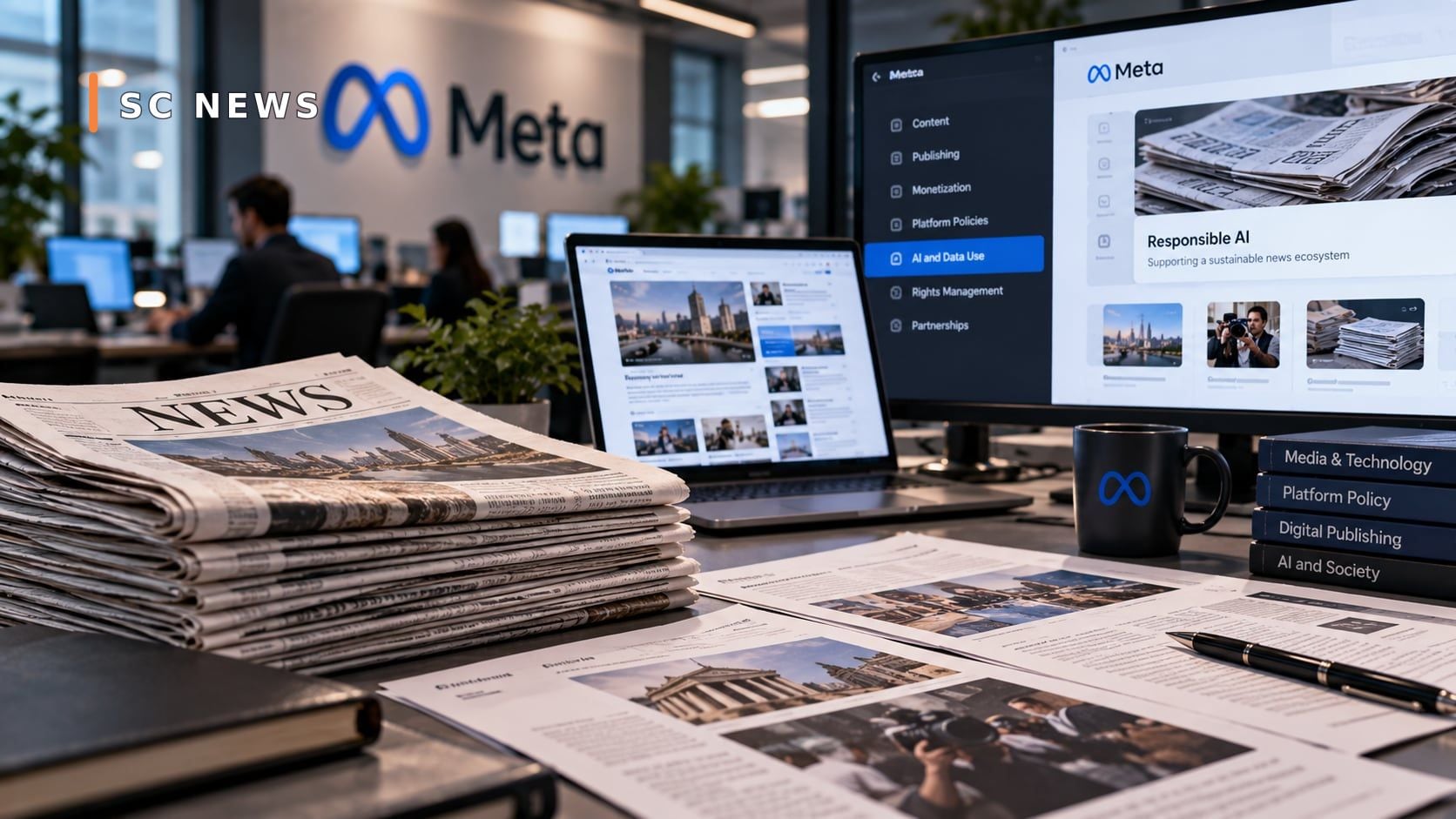
Meta is facing increasing objections from media organizations and publishers over proposed changes to its advertising and business terms, amid concerns that the content of websites linked to corporate accounts could be used to develop artificial intelligence products.
In the latest developments in the case, Andy Stone, Meta's communications officer, said the company may postpone implementing the new terms until after November 20, 2026, if consultations with media sector representatives continue.
The statement, which was reported by The Verge on October 28, came after a previous decision to postpone the implementation date from October 30 to 20. November, which means that the new date is no longer necessarily final.
The Verge
Why did the conditions raise objections?
The dispute began after wording appeared in the new commercial terms that raised concerns about Meta's powers to access content published on linked websites. With business accounts.
Publishers believe that the proposed language may allow the company to collect content from news sites outside its platforms, including journalistic materials produced with private funding and investments.
The sensitivity is that Meta is developing AI-based products and services, and these... Systems receive large amounts of information during training and development processes.
Press organizations fear that the conditions will lead to expanding the use of their editorial production without clear licensing agreements or appropriate financial compensation.
But these concerns relate to the interpretation of legal powers that may Granted, the conditions do not mean that Meta actually used all of that material in training its models.
Move by News/Media Alliance
On October 22, 2026, the News/Media Alliance, which represents thousands of American newspaper and media organizations, announced that it had sent a letter to Meta's CEO, Mark Zuckerberg, demanding the withdrawal of the proposed amendments.
The association said the conditions could affect publishers' ability to control how their journalistic production is used, and the market for licensing content to technology companies.
It was considered that linking the commercial presence on social platforms By making content available to external sites raises questions regarding the balance between technology companies and publishers.
The association also noted that many media organizations rely on Facebook and Instagram to reach audiences, making abandoning these commercial channels a difficult option.
News/Media Alliance
Meta amends the wording and opens the door for consultations
Meta responded to some objections by deleting explicit language that suggested the content could be used in product training.
But legal experts who spoke to news organizations said that deleting this phrase alone may not be enough to remove it All concerns related to the scope of powers.
Andy Stone confirmed that the company does not intend to approve policy changes without full consultation with the relevant authorities.
He also clarified that continuing consultations after November 20 would mean postponing the implementation of the new conditions, and that the current conditions will remain in effect During this period.
Thus, the October 28 announcement was not a final endorsement of new terms, but rather a signal that Meta is willing to continue delaying their implementation until objections are addressed.
What impact does the case have on companies and advertisers?
Although the focus of the current objection concerns publishers, the debate Highlights the importance of the terms businesses agree to when using advertising tools and business accounts.
Organizations that run news websites, online stores, or content platforms need to know the limits of the permissions they grant to external platforms.
Also Using advertising services or linking a website to a business account should not be confused with granting an unlimited license to re-use all materials on the website.
In practice, companies should follow the final texts of the policies and review whether they are... Changes affect access to content, use of data or intellectual property rights.
The issue goes beyond Meta
These discussions come within a broader dispute between artificial intelligence companies and content owners over usage rights, licenses, and compensation.
With the expansion of intelligence applications Generative Artificial Intelligence: Determining who has the right to use data and what compensation for this use has become an important commercial and legal issue.
Media organizations fear that benefiting from journalistic content without clear arrangements will weaken the resources needed to produce news and investigations Original.
On the other hand, technology companies seek to develop their services within legal frameworks that allow innovation and expanding the capabilities of their products.
What's next?
The most important date for observation will be November 20, 2026, a postponed date that is still subject to change.
It is expected that it will become clear later The consultation will determine whether Meta will rewrite the terms more broadly, withdraw the objectionable terms, or announce a new application schedule.
Until another decision is issued, the previous conditions remain in effect according to the company’s statement.