Subtitle: Google's parent company's revenue hit $127.6 billion in the third quarter of 2026, but massive infrastructure spending and slowing ad growth are worrying investors.
Date: Thursday – October 29, 2026
Alphabet Announces Third Quarter Financial Results From 2026, revealing a striking paradox between strong revenue growth and a clear decline in net profits, coinciding with an unprecedented expansion of the cloud computing and artificial intelligence businesses.
According to the results reviewed by the company on Wednesday, October 28, revenue increased The total fell 25% year-on-year to $127.6 billion, while net profit fell 25% to $26.2 billion. The results fell short of some analysts' expectations, pushing the company's stock down more than 10% during post-closing trading on the day the results were announced.
2026 Q3 Earnings Call+1
Google Cloud Drives Growth
The Google Cloud sector emerged as one of the most important sources of growth during the third quarter, after its revenue jumped 103% to $30.7 billion.
This performance is associated with increased institutional demand for AI services, computing infrastructure, and TPU processors that Google develops them to power advanced models.
According to the company's management, the AI ecosystem, with its chips, models, and cloud services, has become one of the primary drivers of Google Cloud's growth.
The sector's operating income also rose to about $11.1 billion, reflecting improved Its ability to turn rising demand into operating profits, despite continued significant investment spending.
The Guardian+1
Ad slowdown puts Google Search to the test
In contrast, advertising activities recorded slower growth than the cloud computing sectors.
Advertising revenue has arrived The total reached about $82 billion, an increase of 11% annually, while the research activity recorded about $63.3 billion, a growth of about 12%.
These figures reveal the continued commercial power of the search engine, but they also highlight the challenge of integrating AI-powered answers into an experiment Search without negatively impacting ad revenue.
Google is expanding ads within AI Overviews and AI Mode, while developing ad formats that match complex questions and multi-step conversations.
For advertisers, these changes may redistribute ad spending between traditional research results and new AI-driven experiments. But its ultimate impact on customer acquisition cost and conversion rates is still tied to actual application results.
Huge Investments in Infrastructure
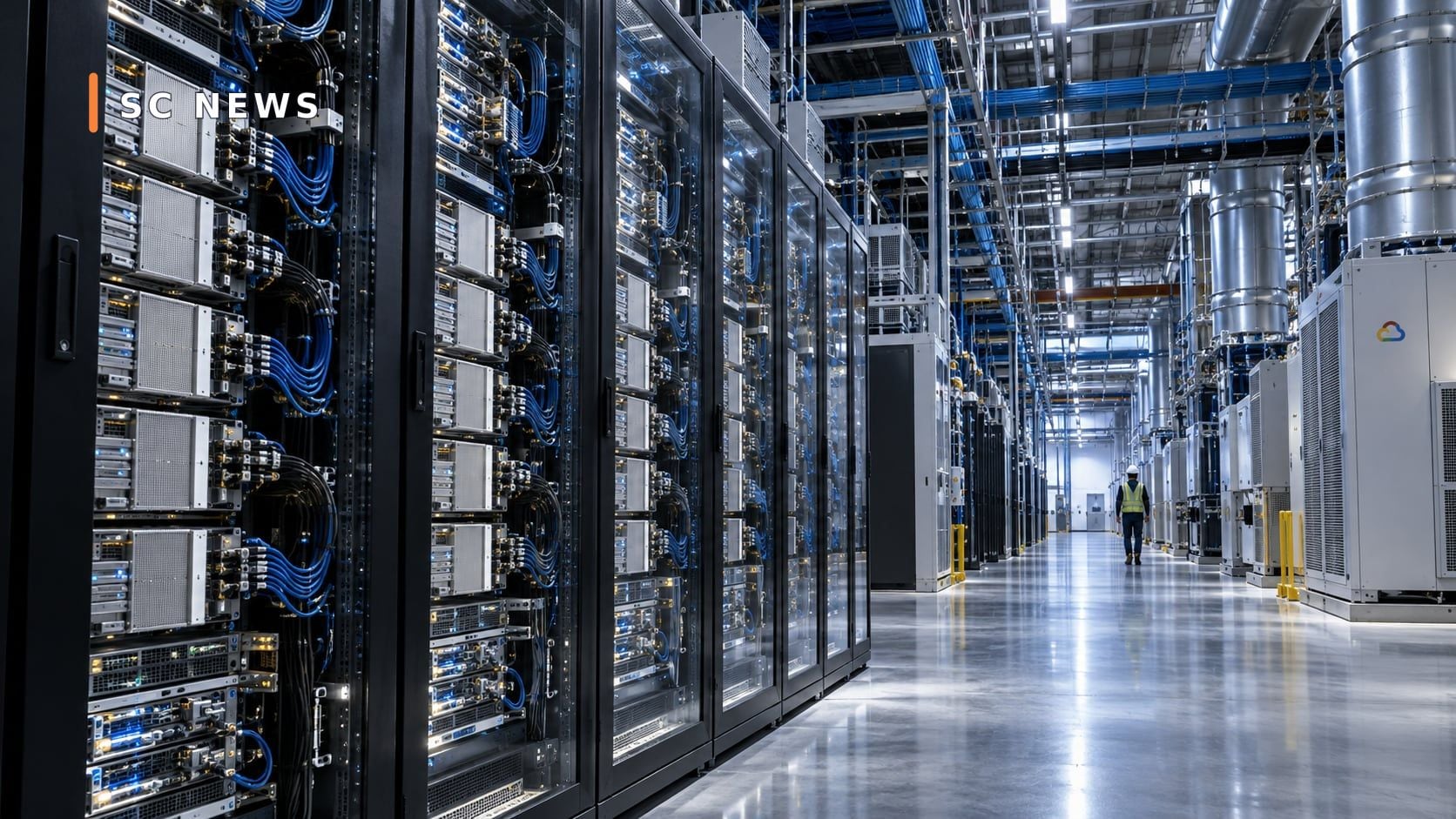
Alphabet's CAPEX was About $51.4 billion during the third quarter, most of it focused on servers, network equipment and data centers needed to operate artificial intelligence services.
The company also recorded negative free cash flow of about $9.1 billion during the quarter, at a time when it continues to increase its computing capabilities To meet future demand.
This does not mean that the core operating business has become loss-making; The group's operating income increased by 30% to $40.6 billion. But the scale of current investments is putting pressure on available liquidity in the short term.
Net profit declined It was also affected by unrealized losses associated with the company's investments in SpaceX, according to financial disclosures.
What do the results mean for the technology market?
The results reflect a change in the nature of competition among big technology companies.
The competition is no longer limited to providing the best search engine Application, but rather extended to possessing the computing power, processors, and data centers that allow artificial intelligence models to run on a large scale.
Alphabet is trying to take advantage of its advantage of having multiple levels of this system, starting with TPU processors, passing through models. Gemini, all the way to Google Cloud, search and advertising services.
The main challenge is achieving an economic return commensurate with the costs of developing this infrastructure.
What's next?
All eyes are on Google's ability to maintain the growth of its cloud services and improve the revenues generated from it AI-powered research, while managing investment spending.
The upcoming results will be important to determine whether the current pace of growth is able to offset the high costs incurred by the company in the AI race.